


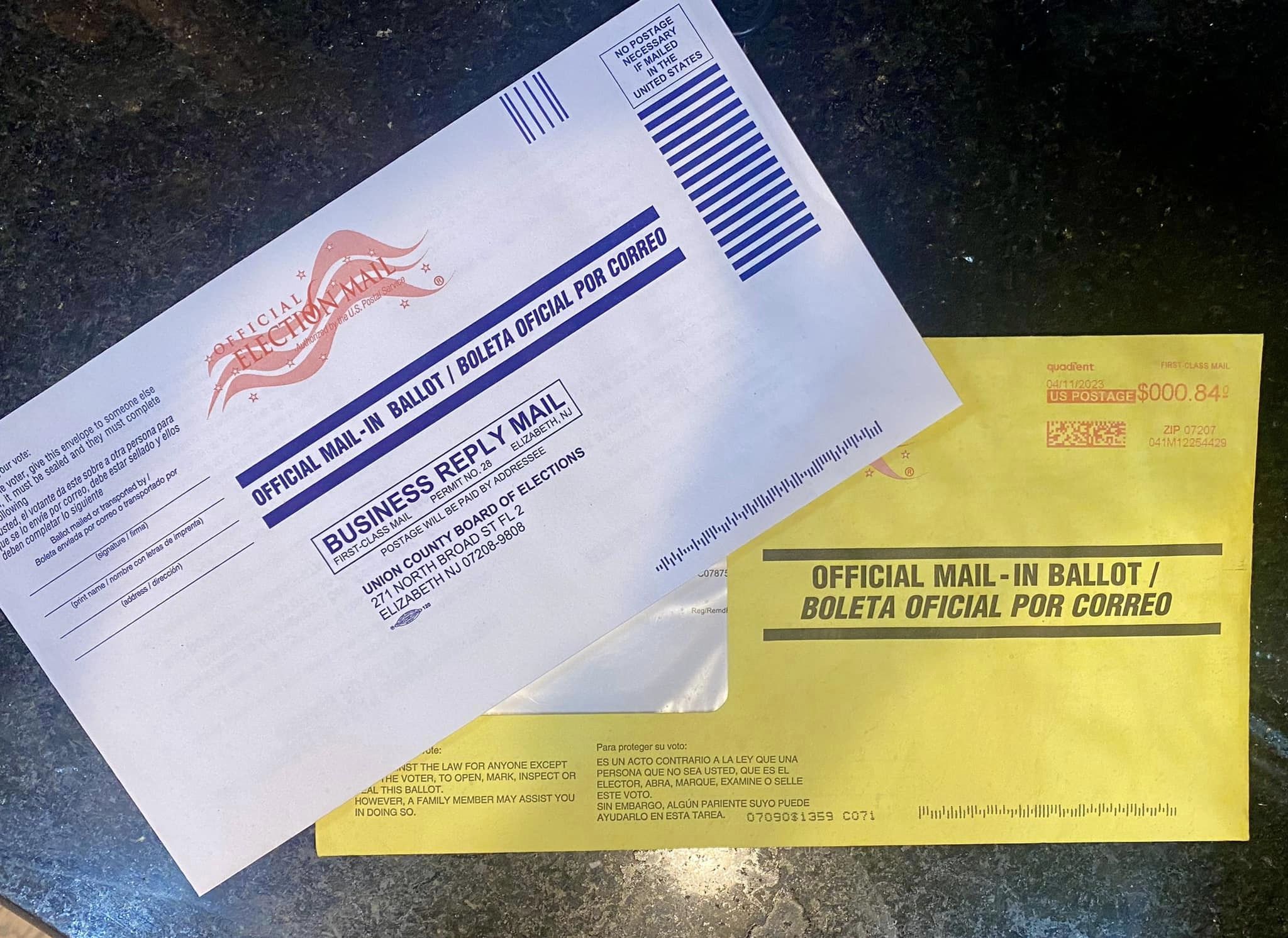
A dispute over a few dozen mail-in ballots has embroiled the Atlantic County Board of Elections in a legal dispute as officials look to certify the results on time.
The board, split between two Republicans and two Democrats, deadlocked on whether to accept more than 140 ballots due to signature discrepancies, and officials sent “cure letters” to voters to allow them to address the issues. They didn’t hear back from 42 voters, however, and the parties are split on how to move forward.
Elliott Almanza, an attorney for the Atlantic County Democrats, argues that a Superior Court judge can serve as a tiebreaking vote for each ballot and determine whether the signatures match the voter’s signature on file. Kenneth Warren, an attorney for the Atlantic County GOP, argued the distribution of cure forms constituted a rejection of the ballots and that the failure to return cure forms means the ballots must be rejected.
In a Tuesday hearing, Superior Court Judge M. Susan Sheppard said she will rule on the issue Thursday and asked for further details on how the Board of Elections handled the curing process.
Creed Pogue, a Democratic commissioner on the Atlantic County Board of Elections, testified that the board delegated a team of two non-voting staffers, one Democrat and one Republican, to determine whether signatures were valid, and did so for the 42 ballots in question. Sheppard said she isn’t sure if New Jersey law allows for the board to delegate that authority to staff members and asked attorneys to search for case law on the issue.
It’s also unclear whether the board officially voted to reject the ballots before sending cure letters to voters, potentially muddying the protocol. The judge asked for a certified account of events regarding the board’s handling of the ballots in question.
Democrats are more likely to use provisional and mail-in ballots, but the 42 ballots in question are not expected to change the result of any elections in Atlantic County.
In a letter to Sheppard, Warren also accused Democrats of improperly handling ballots without the presence of Republican officials.
“I have an allegation in a letter from the Republican Party that indicates that there was inappropriate handling by just one party of votes and ballots. I’m very disconcerted at this point. I have 42 votes, and I really need some more evidence to make a decision.”
Deputy Attorney General Levi Klinger-Christiansen, tasked with representing the deadlocked Board of Elections, acknowledged he was in a tough spot: “It’s a difficult position for me, where I have to represent the board as a whole, and there’s competing concerns,” he said during the hearing.
In addition to the 42 mail-in ballots in question, Sheppard will check the signatures of another 63 disputed provisional ballots. The board had deadlocked over whether to accept those provisional ballots, and Superior Court judges serve as the tiebreaking vote during a disagreement over whether a signature on a ballot matches the signature on file.
