


The special Democratic primary for Gov.-elect Mikie Sherrill’s House seat is already entering its final stretch, but thanks to the election’s unusual timing, no one will know for sure what each candidate’s fundraising looks like until just a few days before early in-person voting begins.
According to the Federal Election Commission schedule, pre-primary reports will be due on January 24, with early voting starting five days later and Primary Day arriving on February 5. The pre-primary reports will cover the period from October 1 through January 16, an abnormally long span that entirely eliminates the need for 4th quarter reports.
That is, at least, a slightly earlier deadline than the regular 4th quarter reports that other New Jersey congressional candidates have to file, which won’t be due until January 31. But since the 4th quarter ended last week, some candidates are already releasing how much they raised, which no one in the 11th district can do until their own fundraising period ends next Friday.
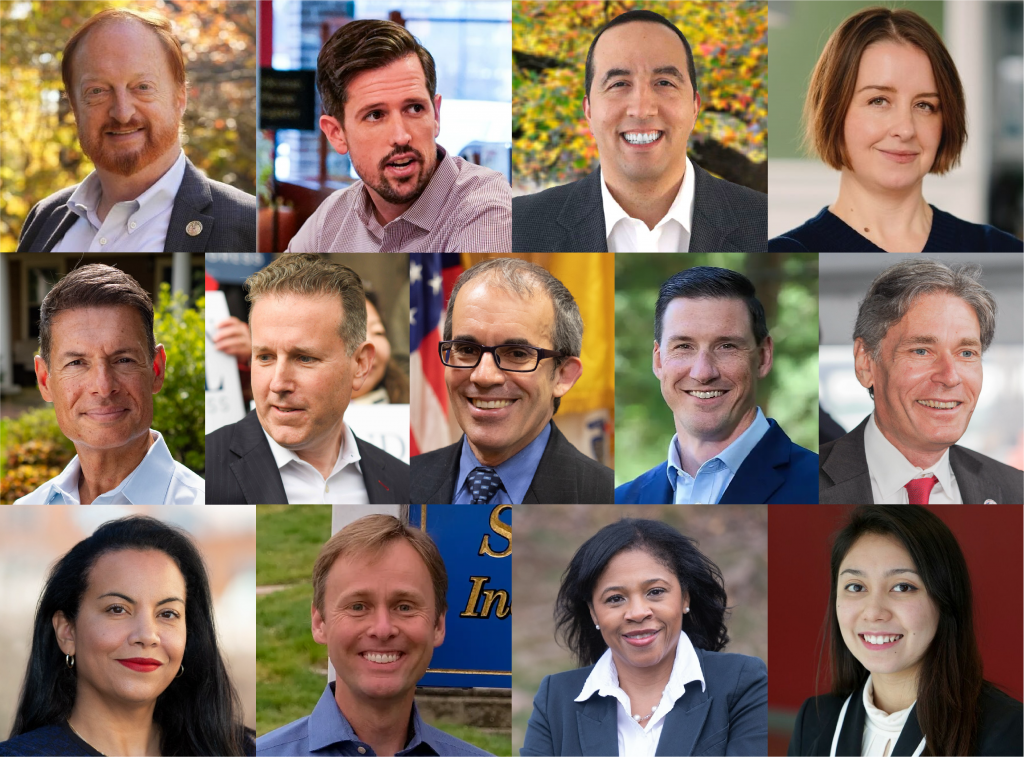
Three of the 11th district’s 12 Democratic candidates – former Obama administration official Cammie Croft, Morris Township Committeeman/former Mayor Jeff Grayzel, and activist Anna Lee Williams – entered the race during a prior fundraising quarter, so they have already filed some detailed fundraising reports. A handful of others also voluntarily disclosed how much they raised during the early days of their campaigns.
But for fully half of the Democratic field, including top-tier contenders like Essex County Commissioner Brendan Gill, Lieutenant Gov. Tahesha Way, and former Bernie Sanders political director Analilia Mejia, January 24 may be the first chance anyone gets to learn how much money they’re raising. And even for candidates who have announced some prior fundraising numbers, only the reports themselves will shine light on who they’re raising that money from.
Once the primary is over, the Democratic victor and presumptive Republican nominee Joe Hathaway will have to file pre-general reports on April 4 that cover the span from January 17 through March 27. There will be one post-general report due on May 16, and the calendar will then shift back to the standard reporting schedule for the regularly scheduled 2026 elections.
None of these dates, however, have been specifically set by the FEC, which has been paralyzed since last spring after a commissioner’s resignation left it short of a quorum. Without a quorum, the FEC is unable to take official actions like holding meetings and penalizing campaign finance violations – and, apparently, establishing reporting schedules for special elections.
“The Commission currently lacks the bipartisan representation needed to set reporting deadlines for these elections,” the FEC’s 11th district guide states; instead, it simply lays out what the standard practice for special election reporting schedules is.
